Introduction
Digital marketing is evolving rapidly, and businesses are constantly looking for smarter ways to reach their audience. With the rise of artificial intelligence (AI), marketing has become more data-driven, personalized, and efficient than ever before. AI Driven Digital Marketing Strategies help businesses analyze customer behavior, automate campaigns, and deliver highly targeted content.
From personalized product recommendations to predictive analytics, AI is transforming how brands interact with customers. Businesses that adopt AI-powered marketing strategies can improve customer engagement, increase conversions, and stay ahead of competitors in an increasingly digital world.
Why AI for Digital Marketing?
Artificial intelligence has become a powerful tool for marketers because it can process vast amounts of data and generate valuable insights in seconds. Traditional marketing methods rely heavily on manual analysis and assumptions, whereas AI enables smarter and faster decision-making.
One major advantage of AI in digital marketing is data analysis. AI tools can analyze customer data, website interactions, and social media behavior to identify patterns and trends. This helps businesses understand their audience better and create targeted campaigns.
Another key benefit is automation. AI can automate repetitive tasks such as email marketing, ad optimization, and customer segmentation. This saves time and allows marketers to focus on strategy and creativity.
AI also enhances personalization. Modern consumers expect personalized experiences, and AI makes it possible by analyzing user behavior and delivering tailored content, recommendations, and advertisements.
AI-Driven Digital Marketing Strategies
1. AI-Powered Customer Segmentation
Customer segmentation is one of the most important aspects of digital marketing. AI can analyze customer data and group audiences based on behavior, preferences, and demographics. This helps businesses create targeted marketing campaigns that resonate with specific customer segments.
For example, AI can identify users who are likely to purchase a product and send them personalized offers or promotions.
2. Predictive Analytics
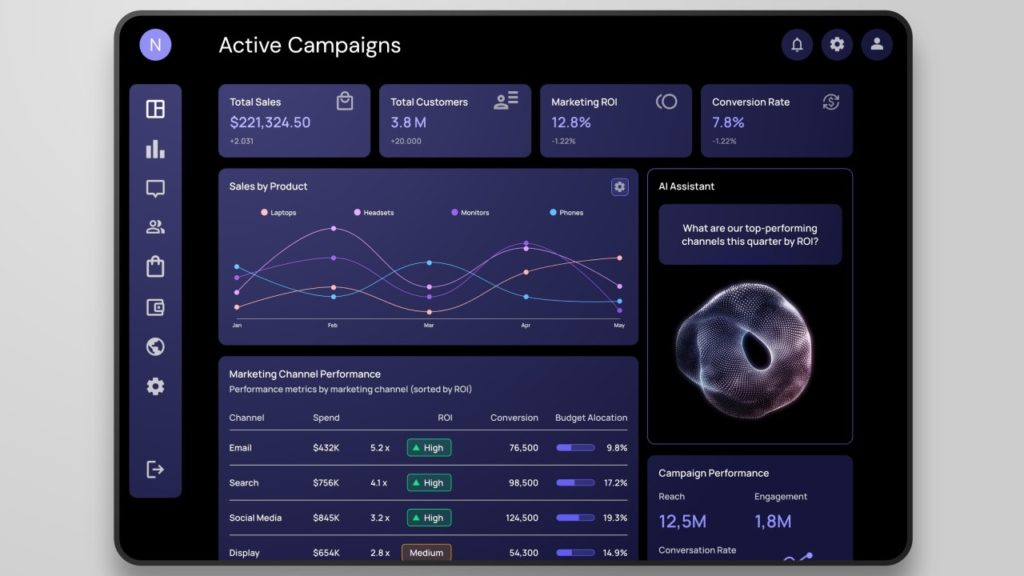
Predictive analytics uses AI to analyze historical data and predict future customer behavior. Marketers can use these insights to plan campaigns more effectively.
With predictive analytics, businesses can:
- Identify potential leads
- Predict customer churn
- Optimize marketing campaigns
- Improve customer retention
This makes marketing strategies more proactive rather than reactive.
3. AI Chatbots for Customer Engagement
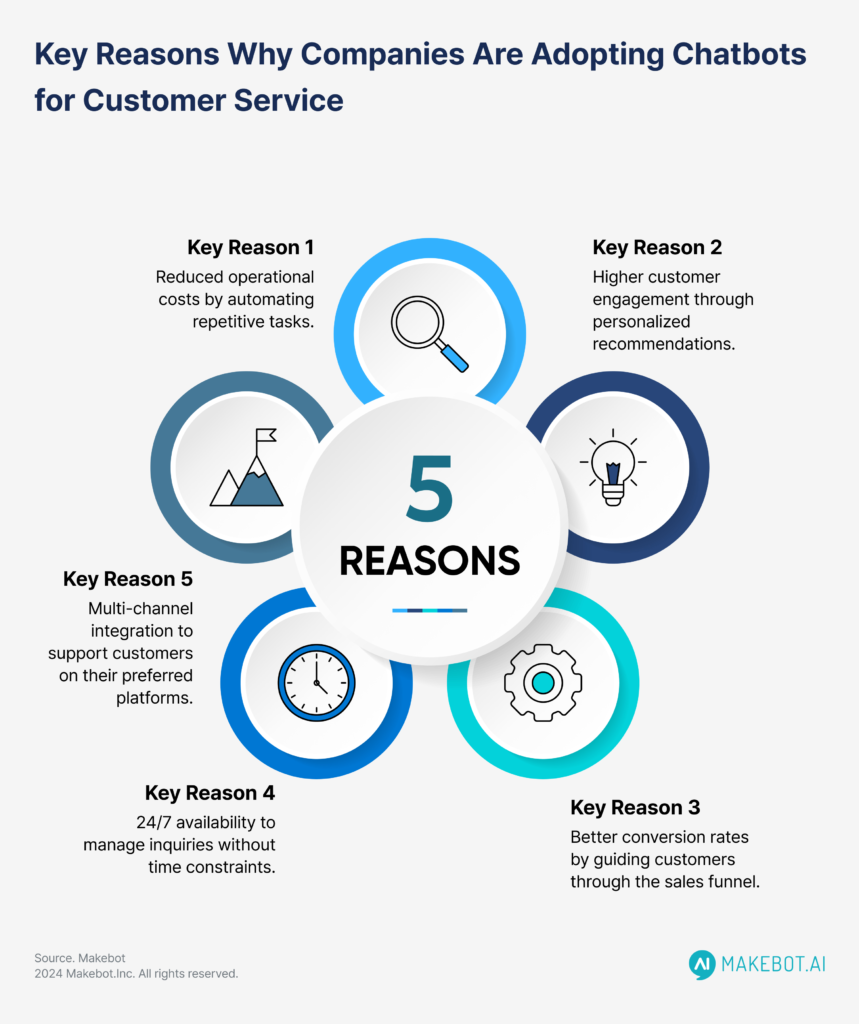
AI-powered chatbots have become a popular digital marketing tool. They provide instant responses to customer queries, improving customer experience and engagement.
Chatbots can help businesses by:
- Answering frequently asked questions
- Guiding customers through products or services
- Collecting customer data
- Providing 24/7 customer support
This ensures that customers receive immediate assistance without waiting for human support.
4. AI in Content Creation and Optimization
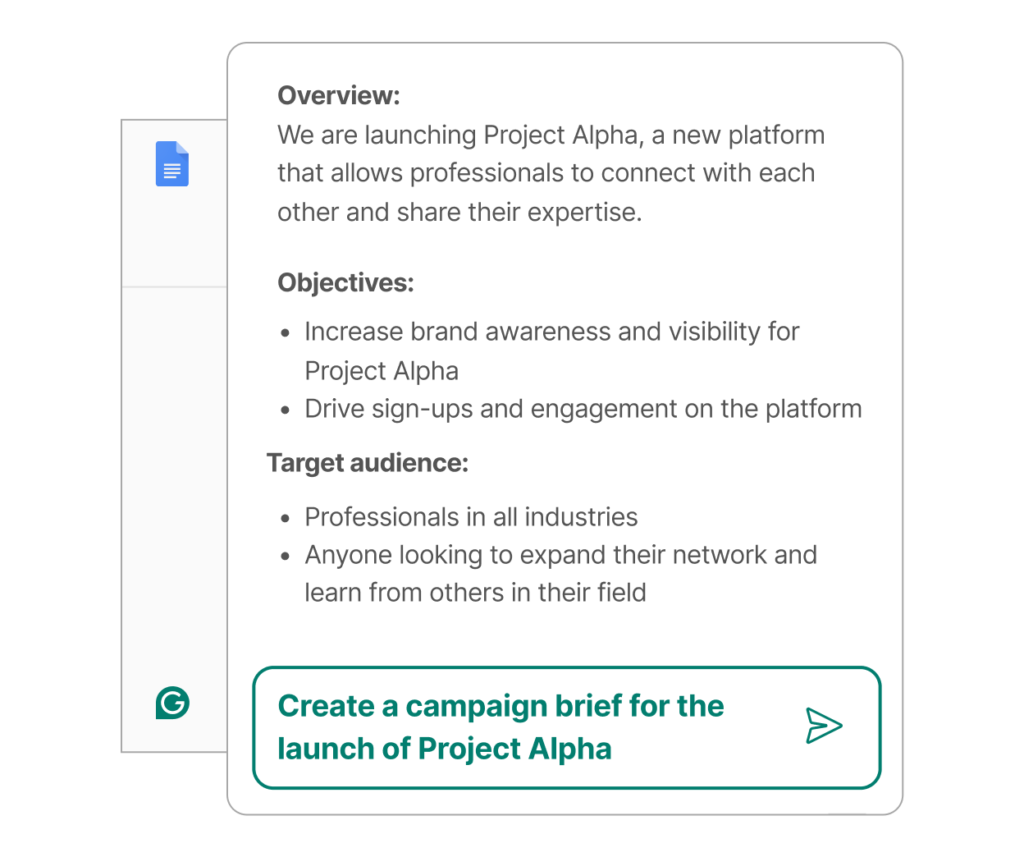
AI tools can assist marketers in generating content ideas, optimizing blog posts, and improving SEO performance. They analyze keywords, user intent, and search trends to create content that ranks better in search engines.
AI can help with:
- Keyword research
- Blog topic generation
- SEO optimization
- Content performance analysis
This allows businesses to produce more effective and data-driven content.
5. AI-Powered Advertising
AI has revolutionized online advertising by optimizing ad targeting and bidding strategies. Platforms like Google Ads and social media networks use AI algorithms to show ads to the right audience at the right time.
AI-driven advertising helps marketers:
- Target the most relevant audience
- Optimize ad spend
- Improve ad performance
- Increase return on investment (ROI)
6. Personalized Marketing Experiences
AI enables businesses to deliver personalized experiences to their customers. By analyzing browsing behavior, purchase history, and preferences, AI can recommend products or content tailored to each user.
Examples include:
- Personalized email campaigns
- Product recommendations on e-commerce websites
- Dynamic website content based on user behavior
This level of personalization significantly improves customer satisfaction and conversion rates.
Conclusion
Artificial intelligence is transforming the digital marketing landscape by making campaigns more intelligent, efficient, and personalized. Businesses that adopt AI Driven Digital Marketing Strategies can gain valuable insights, automate marketing processes, and deliver highly targeted experiences to their customers.
As AI technology continues to evolve, its role in digital marketing will become even more significant. Companies that embrace AI today will be better positioned to compete in the future and achieve long-term growth in the digital marketplace.